Emma – Jane Austen RR
I love that the year started with Jane Austen.
Jack of Kinrowan – Charles de Lint RR
I read this because I was talking to my son about books – he recently started reading for pleasure at the ripe old age of 24. This was one of the few (non-school, non-Harry Potter) books he’d ever read.
Dreams Underfoot – Charles de Lint RR
Debt: the first 5000 years – David Graeber NF
This is a mind-altering book. It’s not a finance book, it’s an anthropology book about the human process of money and how we’ve used debt or money or whatever to share goods and services between ourselves. Completely changed how I relate to things like economic news and saving money. I read this for a book club I was in briefly – it lasted 3 months after I joined, coincidence?
Anil’s Ghost – Michael Ondaatje RR
Speaker for the Dead – Orson Scott Card (audio)
I liked Ender’s Game, but I loved this sequel. Much more about communities of people rather than individuals.
Telegraph Avenue – Michael Chabon
New Chabon! Does not disappoint. It was a great year for new books from some of my uber-favorite authors
The Last Colony – John Scalzi
Zoe’s Tale – John Scalzi
I Know Why the Caged Bird Sings – Maya Angelou (audio) NF MM
Ms. Angelou’s first memoir. I liked the second one more, maybe because she’s my age rather than a young girl, as she is in this one. Still a great read.
Towers of Midnight – Brandon Sanderson/Robert Jordan RR
Memory of Light – Brandon Sanderson/Robert Jordan
Finally! The conclusion of the Wheel of Time. Did not disappoint, but I was sad to see it end.
My Life in France – Julia Child RR NF MM
This woman was living the life I’m looking for – traveling while working on something she was passionate about. Learning about herself while she learned about new places and new skills.
Kicking and Dreaming – Ann & Nancy Wilson NF
Their autobiography! Was wonderful, read more than half of it while sitting in the jury duty room in Portland.
Xenocide – Orson Scott Card (audio)
Also, good, but didn’t knock Speaker for the Dead out of first place.
Tapping the Dream Tree – Charles de Lint RR
The Rules of Inheritance – Claire Bidwell Smith NF MM
Memoirs are my new thing – I blame Lidia Yuknavitch & Cheryl Strayed. This one is the story of an only child experiencing the loss of her mother as a young woman, and then her father a few years later.
 Flight Behavior – Barbara Kingsolver
The Round House – Louise Erdrich
Seriously – new Kingsolver followed by new Erdrich – does NOT get any better. And these two are quite possibly the best that either has written. Incredible.
Fault of our Stars – John Green (audio)
Blue Desert – Charles Bowden RR NF
I had to re-read this because I was headed to Arizona with my sister. Just as powerful and well-written as I remember.
Z : A Novel of Zelda Fitzgerald – Therese Anne Fowler
This book made me hate Ernest Hemingway, and colored my opinion of F. Scott Fitzgerald forever. The fictionalized account of Zelda Fitzgerald’s life (based on the real facts, with the empty spaces extrapolated). Now I see things like Midnight in Paris (a great flick) and think NO!! She was robbed! I was sitting by the pool in Arizona and PISSED at the way she was treated.
Traveling Mercies – Anne Lamott NF MM
Wizard Abroad – Diane Duane RR
So You Want to be a Wizard – Diane Duane RR
Deep Wizardry – Diane Duane RR
High Wizardry – Diane Duane RR
Wizard’s Holiday – Diane Duane RR
Eat Pray Love – Elizabeth Gilbert RR NF MM
Children of the Mind – Orson Scott Card (audio)
Didn’t finish this one… just seemed to go on and on.
Reading Lolita in Tehran – Azar Nafisi NF MM
The Power of Habit – Charles Duhigg (audio) NF
Another life-shaking book. How we develop habits, how we can substitute new ones for old ones. How data mining is allowing big business to use our habits to send business their way. Fascinating for anyone who likes psychology or wants to revamp their life.
Girlchild – Tupelo Hassman
This one read like a fantastic memoir. The writing was impressive.
Redshirts – John Scalzi (audio)
Every sci-fi geek seriously needs to read this. The ‘extras’ on a surprisingly-similar-to-the-Enterprise spaceship start to question why (for instance) the Captain goes on almost every away mission, but the only people who die are those wearing red shirts. Smart and funny.
Why Be Happy When You Could be Normal? – Jeanette Winterson NF MM
Outliers – Malcolm Gladwell (audio) RR NF
Somehow, his analysis never gets boring.
Un Lun Dun – China Miéville RR
The Summer Prince – Alaya Dawn Johnson
The first book of hers I’ve read – powerful writing and fantastic feminist speculative fiction.
Panopticon blog – Franklin Habit NF
Okay, it’s not a book – but it’s hella long and I read every post. 892 posts going back to 2005. A knitting blog written by a gay man in Chicago – I don’t knit, nor am I a man, or gay – but it is wonderful. I always seem to find awesome blogs just as their taking off and the bloggers are too busy to post any longer.
Chronology of Water – Lidia Yuknavitch RR NF MM
The Scar – China Miéville RR
The Magician – Lev Grossman (audio) RR
Yes, Chef – Marcus Samuelsson NF MM
Without a Summer – Mary Robinette Kowal
Jane Austen + magic. Seriously.
Kraken – China Miéville RR
Finding Your Way in a Wild New World – Martha Beck NF
Zoo City – Lauren Beukes RR
Manhood for Amateur – Michael Chabon (audio) RR NF MM
Shades of Milk & Honey – Mary Robinette Kowal
Glamour in Glass – Mary Robinette Kowal
Sleight – Kristen Kaschock
Another book that sucked you into a world you wanted to move to. Sad, powerful, a little trippy.
Wonder Boys – Michael Chabon RR
The Big Meow – Diane Duane
Beatrice & Virgil – Yann Martel
Eliza’s Daughter – Joan Aiken
Broken for You – Stephanie Kallos
Oh, oh yeah. My friend at work recommended this one – not knowing I had a thing for mosaics. Really great novel about healing what is broken without hiding the scars.
The Human Division – John Scalzi
Cooked – Michael Pollan (audio) NF
More Pollan goodness.
Sense & Sensibility – Jane Austen RR
Fearless: One Woman One Kayak One Continent – Joe Glickman NF
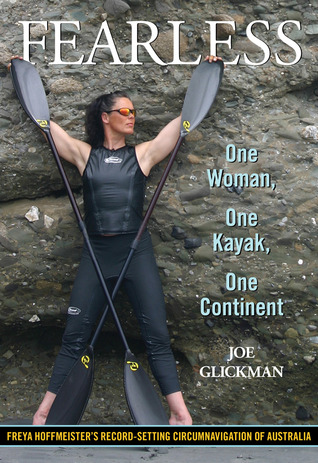
Impressive story of a woman who circumnavigated the continent of Australia in a kayak. Alone. With almost no support team. And broke the record.
A Visit to Highbury – Joan Austen – Leigh
Persuasion – Jane Austen RR
Death Comes to Pemberley – PD James RR
Among Others – Jo Walton RR
The God Engines – John Scalzi
Possibly my favorite Scalzi. Most of his are good sci-fi, this one is more trippy and mess-with-your head. I like that.
Love Medicine – Louse Erdrich RR
Later Days in Highbury – Joan Austen-Leigh
A Wizard Alone – Diane Duane
Beet Queen – Louise Erdrich RR
Pilgrimage – Annie Leibovitz NF
Had to read this because of something Lidia Yuknavitch said on Facebook. A book of amazing photos and essays.
Last Report of Miracles at Little No Horse – Louise Erdrich RR
Supposedly Fun Thing I’ll Never Do Again – David Foster Wallace NF
His reputation is not hyperbole, no one writes like this guy could.
My Foreign Cities – Elizabeth Scarboro NF
Gone Girl – Gillian Flynn
I picked this up in a fowl mood and headed for bed – read half of it before I could put it down.
A Catcher in the Rye – JD Salinger
Hated it. Only finished it so I could say that with no equivocation. Didn’t like it one bit.
Idoru – William Gibson RR
All Tomorrow’s Parties – William Gibson RR
Graphic Canon pt 1 – Russ Kick
Dirt Work – Christine Byl NF MM
Memoir of a woman who worked for the Park Service in Glacier National Park in Montana (just down the road from my sister’s house) and Denali National Park in AK. Woman working in a man’s world and kicking ass.
Beautiful Ruins – Jess Walter (audio)
Ocean at the End of the Lane – Neil Gaiman
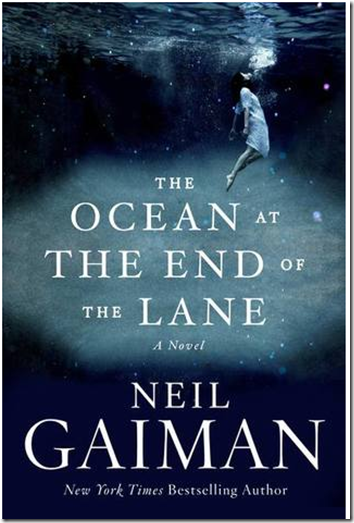 NEW GAIMAN. And possibly better than American Gods, though very different. Loved this muchly.
A Dance of Dragons – George RR Martin RR
Growing up Female in America: Ten Lives – Ed. Eve Merriam NF MM
The Beautiful Struggle – Ta-Nehisi Coates NF MM
Again a book where the language transports you into this man’s world. He’s a columnist at The Atlantic and knocks me out with his analysis and his writing.
The Dragon Reborn – Robert Jordan
Eye of the World – Robert Jordan
Knife of Dreams – Robert Jordan
Tower of Midnight – Brandon Sanderson/ Robert Jordan
Had this idea for a blog comparing the rampant sexism in the Song of Ice & Fire to the much more progressive Wheel of Time – got lost in the research and never finished it. Have three or four drafts somewhere that maybe I’ll get back to one day.
Wolf Hall – Hilary Mantel
Another book I picked up and couldn’t put back down. Was really glad Bringing up the Bodies was waiting for me when I got home. Read this in Alaska while I was there in August.
The Shining Girls – Lauren Beukes
Trippy time-travel horror fiction. I liked Zoo City better, but this was a great read.
King Rat – China Miéville
Early Mieville. Didn’t like it, didn’t finish it. Or maybe I was just in a hurry to get to Bringing up the Bodies.
Bringing Up the Bodies – Hilary Mantel
Just as compelling as Wolf Hall.
The Shelter Cycle – Peter Rich
An interesting little book about two kids who grew up in a weird cult and their very different experiences as adults after it falls apart.
Memory of Light – Brandon Sanderson/ Robert Jordan
Gathering Storm – Brandon Sanderson/ Robert Jordan
Population 485 – Michael Perry NF MM RR
Truck: A Love Story – Michael Perry NF MM RR
This is the first book of Perry’s I read, and I fell in love. He came to Powell’s, signed my books and he was great. He’s the perfect blend of the blue-collar people I come from and the high-falutin’ lit people I call my own.
Warbreaker – Brandon Sanderson
As the writer who did such a good job of finishing Robert Jordan’s masterpiece, I wanted to check out his own stuff. Loved this book a lot.
Coop: A Family, a Farm, and the Pursuit of One Good Egg – Michael Perry NF MM RR
Tracks – Louise Erdrich RR
Bingo Palace – Louise Erdrich RR
Dial H for Hero – China Miéville
Pattern Recognition – William Gibson RR
Spook County – William Gibson RR
Drowned Cities – Paolo Bacigalupi
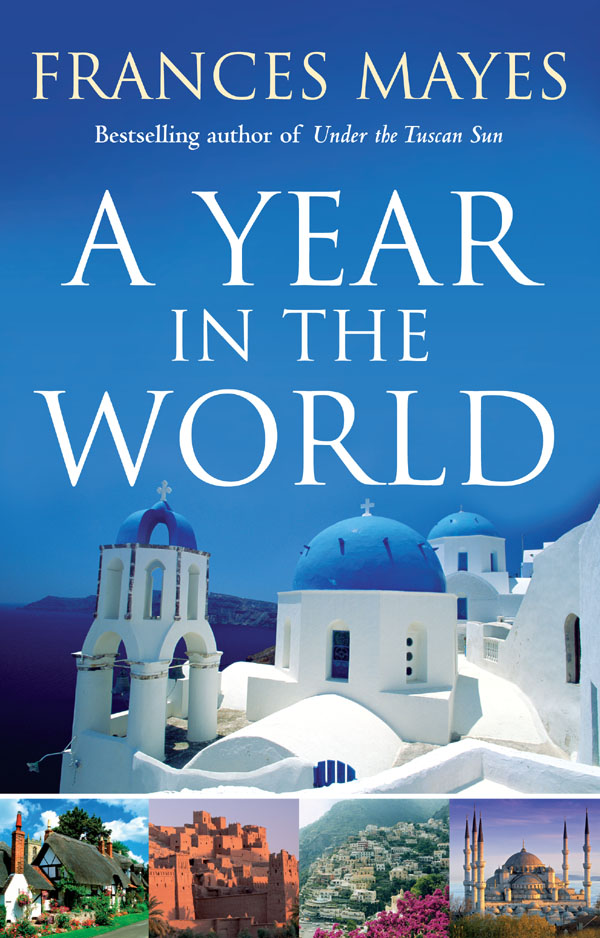
A Year in the World – Frances Mayes NF MM
This book might be the reason I quit my job and run away. She spends a month in different countries – a small-boat guided tour of Greek islands, Portugal, Spain, Fez, more I can’t remember. She has a thing for tile & mosaics like I do, and she likes to experience her locations through food. Want.
The Rice Room – Ben Fong-Torres NF
The autobiography (not really a memoir) of the editor of Rolling Stone. I mostly picked it up because he’s portrayed in the movie Almost Famous and I loved his name. The story of a second-generation Chinese immigrant made good (with lots of info on San Francisco in the 60s and 70s).
Omnivore’s Dilemma – Michael Pollan RR NF
Thud – Terry Pratchett RR
Yiddish Policeman’s Union – Michael Chabon RR
Benediction – Kent Haruf
Persuasion – Jane Austen RR
Sandition & Other Stories – Jane Austen
My last unread Austen. And now there is no more.
Possessing the Secret of Joy – Alice Walker RR
Grass – Sheri S. Tepper
Vicious – Victoria Schwab
Singer From the Sea – Sheri S. Tepper
Tales of the City – Armistead Maupin
The Water Rising – Sheri S. Tepper
David & Goliath – Malcolm Gladwell NF
New Gladwell! Not my favorite, but still all kinds of interesting things to think on.
Gate to Women’s Country – Sheri S. Tepper
The Companions – Sheri S. Tepper
The Handmaid’s Tale – Margaret Atwood RR
Serenity comic series – Joss Whedon
Little Country – Charles de Lint RR
Beauty – Sheri S. Tepper
The Memory Palace – Mira Bartok NF MM
Another gut-wrenching and powerful memoir a la Yuknavitch and Strayed. A woman who must hide from her bi-polar mother to protect herself.
Up Against It – MJ Locke
The Sun Also Rises – Ernest Hemingway
Because I’d never read it. Got more than halfway through before I started liking it, turned out to be a pretty good book. Still have issues with him.
Mythago Wood – Robert Holdstock
Picked it up because William Gibson recommended it on Twitter. Liked it a lot.
Diving into the Wreck – Kristine Kathryn Rusch
Paint it Black – Janet Fitch
I bought this for $4 at least five years ago (based on loving White Oleander). Don’t know what took me so long to read it, but it was great.
The Amazing Adventures of Kavalier & Clay – Michael Chabon RR
Fuzzy Nation – John Scalzi
Jane Eyre – Charlotte Bronté RR
Was jonesing for Austen but read them all recently, so I went with Bronte.
Uglies – Scott Westerfeld
I was at my sister’s in Montana and didn’t like any of the books I’d brought with me, so I was trolling the house for something to read and my niece handed me this. I stayed up until 2am on Christmas night finishing it in one go. YA post-apocalyptic fiction. Just finished book four, Extras, last night.
Tough Customer – Sandra Brown
Rise & Shine – Anne Quindlen
Moxyland – Lauren Beukes
139 books
RR – re-read 47
NF – Non-fiction 32
MM – Memoir 18
Audio – 12